
July marks peak growing season in Taunton, Massachusetts, when trees aggressively seek water sources to sustain their rapid summer growth. With temperatures regularly reaching into the 80s and periodic summer droughts stressing vegetation, tree roots become particularly invasive, threatening residential and commercial sewer systems throughout Bristol County. Understanding this seasonal threat helps property owners protect their underground infrastructure before catastrophic failures occur.
Understanding Root Behavior in Summer
During Taunton’s warm summer months, trees experience dramatically increased water demand. Your sewer pipes offer an irresistible attraction, providing consistent moisture, a nutrient-rich environment from waste materials, oxygen entering through pipe joints, and ideal year-round growing conditions. Even microscopic cracks or slightly loose joints attract hair-thin roots that can expand rapidly once inside pipes, eventually creating massive blockages.
The biology behind root intrusion becomes more aggressive during summer months. Trees photosynthesize at maximum rates during long July days, requiring substantial water uptake to support leaf function and growth. When surface water becomes scarce during dry spells, roots extend deeper and more aggressively, seeking any available moisture source. Sewer lines, constantly carrying water and waste, broadcast chemical signals that roots detect and pursue relentlessly.
Common Culprit Trees in Taunton Neighborhoods
Certain species pose greater risks to local sewer systems due to their aggressive root systems and water requirements. Willow trees, though beautiful, possess notoriously water-seeking roots that can travel over 100 feet from the trunk. Silver maples, popular in older Taunton neighborhoods, develop fast-growing, invasive root systems that exploit the smallest pipe vulnerabilities. Oak trees, while majestic, create deep, spreading root networks that persist for decades after sewer line repair.
Properties in established neighborhoods like Whittenton Junction and West Taunton often feature mature trees planted decades before modern sewer installation. These trees have had generations to establish extensive root systems that intertwine with underground utilities. Birch trees create shallow, wide-ranging roots that carpet entire yard areas, while elm trees, though less common due to disease, maintain extensive lateral root growth that aggressively seeks sewer lines.
The Infiltration Process Explained
Roots exploit various vulnerabilities in sewer systems with remarkable efficiency. Traditional clay and concrete pipes feature multiple connection points where sections join, creating natural weak spots. Temperature fluctuations between seasons cause pipes to expand and contract, developing hairline cracks that roots detect through moisture and chemical signals. Older cast iron pipes suffer from corrosion that creates holes and thin spots, while improper installation or ground settling creates gaps at connections.
Once inside pipes, roots encounter ideal growing conditions that accelerate their development. The constant moisture, warm temperatures, and nutrient-rich environment create what essentially amounts to a underground greenhouse. Small root hairs quickly develop into thick masses that trap debris, creating increasingly severe blockages. What begins as slow drainage can progress to complete pipe obstruction within a single growing season.
Recognizing Early Warning Signs
Identifying root intrusion early dramatically reduces repair costs and prevents property damage. Slow-draining fixtures that gradually worsen often indicate developing root masses. Listen for gurgling sounds when running water, which suggest air pockets created by partial blockages. Toilets that require multiple flushes or seem to lack flushing power may indicate root obstruction in main sewer lines.
More subtle signs require careful observation but provide valuable early warnings. Persistent sewer odors, especially noticeable during humid summer evenings, suggest waste accumulation behind root blockages. Small sinkholes or depressions along your sewer line path indicate soil erosion from leaking pipes. During dry periods, strips of unusually green grass over sewer lines reveal where roots access pipe moisture. These symptoms warrant immediate sewer camera inspection to assess damage extent.
Modern Detection and Removal Methods
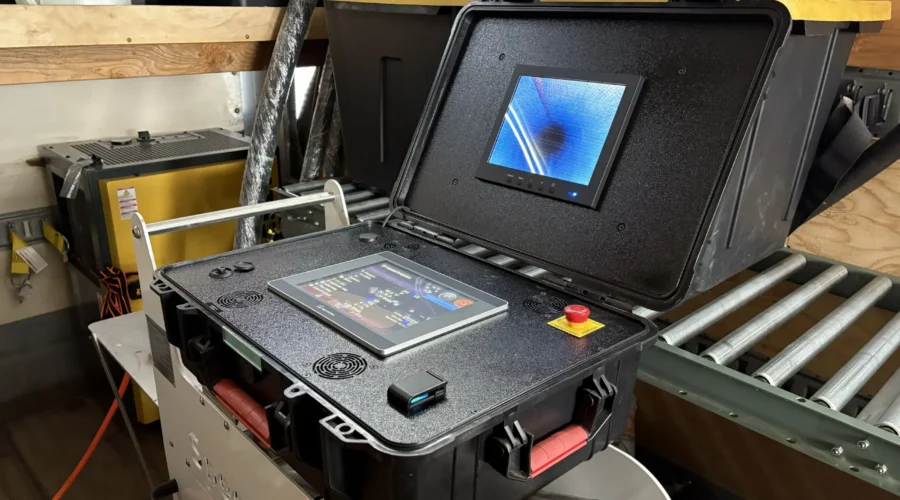
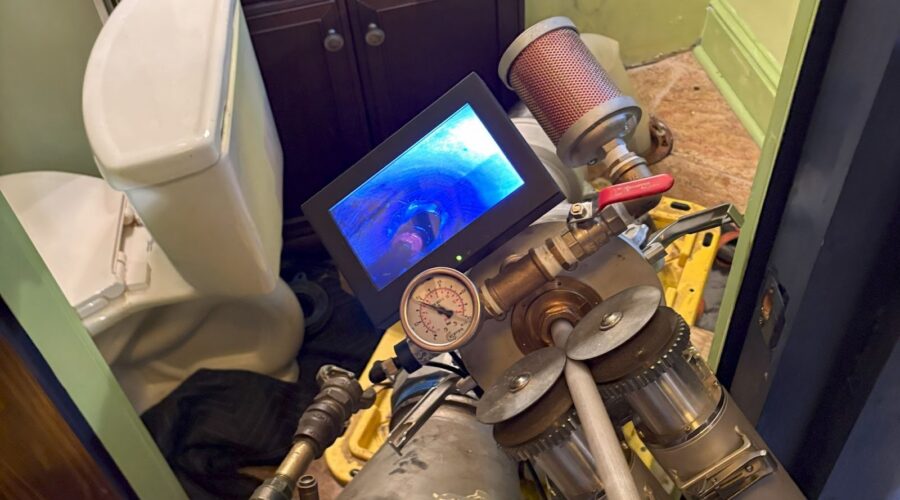
Today’s technology offers sophisticated methods for identifying and addressing root intrusion without guesswork. Video camera inspections provide real-time visualization of pipe interiors, revealing root entry points, mass locations, and pipe condition. This diagnostic tool helps professionals develop targeted treatment plans rather than applying one-size-fits-all solutions.
For active root problems, hydrojetting services provide immediate relief by cutting through root masses with high-pressure water streams. This process not only removes existing roots but also cleans pipe walls of accumulated debris. However, mechanical removal alone doesn’t prevent regrowth, which occurs rapidly during summer months. Chemical root treatments can slow regrowth but require careful application to avoid environmental damage.
Long-Term Solutions Through Trenchless Technology
Properties experiencing repeated root problems benefit from permanent solutions rather than continuous maintenance. Trenchless pipe lining creates a seamless barrier that roots cannot penetrate, essentially installing a new pipe within the existing damaged one. This solution eliminates joints and cracks where roots enter while maintaining full flow capacity.
The cured-in-place pipe process works particularly well for root-damaged systems because it addresses multiple issues simultaneously. The epoxy resin fills cracks and gaps, creates smooth interior surfaces that resist future buildup, and provides structural reinforcement to weakened pipes. With proper installation, these liners last 50 years or more, far exceeding the cost-effectiveness of repeated root cutting services.
Protecting Your Property Investment
Preventing root intrusion starts with thoughtful landscaping decisions. When planting new trees, maintain minimum distances from sewer lines based on species characteristics. Small ornamental trees need at least 10 feet clearance, while large shade trees require 20 feet or more. Consider root barriers during planting, though these provide limited protection against determined root systems.
Regular maintenance proves more cost-effective than emergency repairs. Annual camera inspections catch problems early when solutions remain simple. Professional cleaning removes minor root intrusion before it creates blockages. Proactive pipe lining prevents problems entirely in high-risk situations. These investments protect not only your sewer system but also your foundation, landscaping, and indoor air quality.
Seasonal Timing for Maximum Effectiveness
Understanding Taunton’s growing seasons helps optimize treatment timing. Early spring treatments remove roots before peak summer growth. Mid-summer inspections catch developing problems during maximum stress periods. Fall maintenance prepares systems for winter freezing cycles that can worsen existing damage. This seasonal approach maximizes treatment effectiveness while minimizing service frequency.
Professional assessment becomes crucial for properties with mature trees, older sewer systems, or previous root problems. Experts evaluate tree species, proximity to utilities, pipe materials and age, and soil conditions to develop customized management plans. This comprehensive approach prevents the cycle of repeated emergency calls that plague many homeowners.
Tree root intrusion remains one of Taunton’s most persistent sewer challenges, particularly during vigorous summer growing seasons. However, modern detection methods and trenchless repair technologies offer permanent solutions that protect property investments. By understanding root behavior, recognizing early warning signs, and implementing proactive maintenance strategies, property owners can enjoy their mature landscaping without sacrificing sewer system integrity. Contact TID Trenchless today for a comprehensive root intrusion assessment and customized prevention plan.