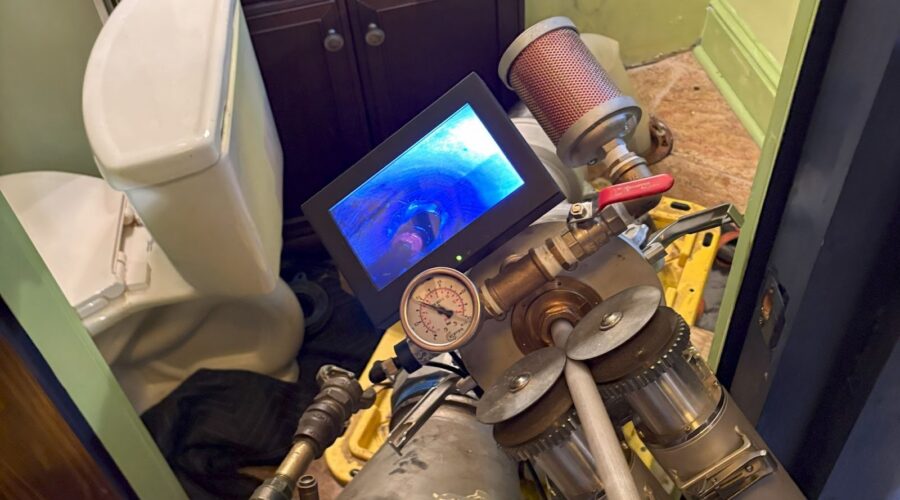
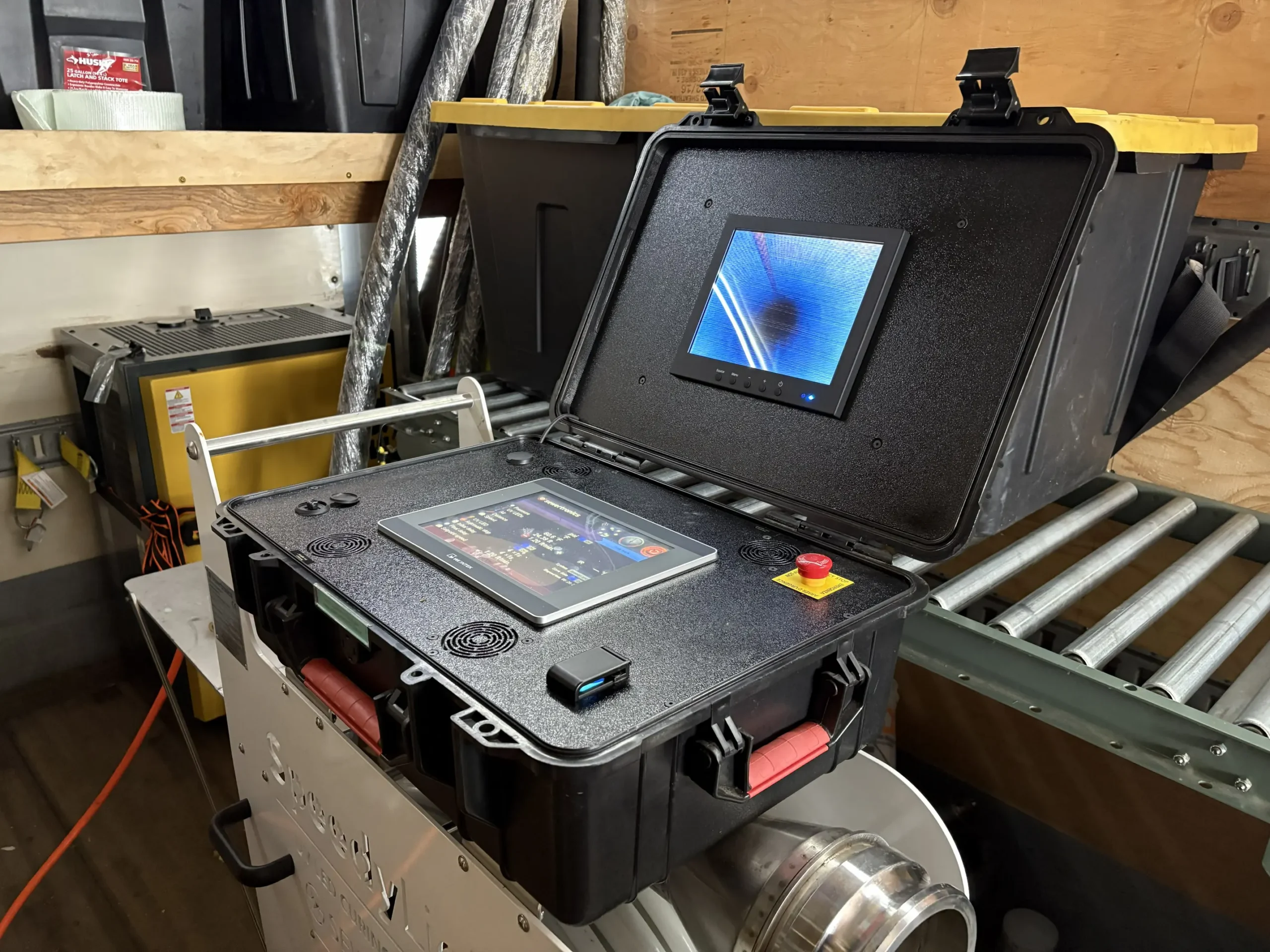
A sewer camera inspection uses a high-resolution, waterproof camera mounted on a flexible cable that a technician feeds directly into your sewer line. The camera transmits a live video feed from inside the pipe, showing exactly what the problem is, where it is located, and how severe the damage is. The process is non-invasive, requires no digging, and takes less than an hour in most cases. More importantly, it gives you a confirmed picture of your sewer’s condition rather than a contractor’s best assumption.
Most homeowners in Southeastern Massachusetts call about a sewer problem expecting a straight diagnosis. What they often get instead is a contractor who recommends a repair without ever looking inside the pipe. That approach leads to rushed work, unexpected complications mid-job, and repairs that do not hold. A qualified sewer specialist will not recommend any repair before a camera inspection has confirmed what is actually happening inside the line.
TID Trenchless explains what a sewer inspection before repair involves, why it is a required step before any work begins, and what homeowners can expect during the process. If you have been putting off a sewer issue because you are unsure how serious it is, the camera is what turns that uncertainty into a specific answer.
How A Sewer Camera Inspection Works
A sewer camera inspection does not simply confirm whether there is a blockage. It identifies the specific problem, its exact location in the line, and how severe the damage is. That distinction matters because two pipes showing the same symptoms can have completely different root causes and require completely different repairs. This is exactly why a sewer inspection before repair is the only way to know what you are actually dealing with.
Some of the common findings from a sewer camera inspection include:
- Cracks or fractures in the pipe walls
- Visible corrosion and rust in cast iron lines
- Root intrusion from nearby trees or shrubs
- Misaligned or offset joints where the pipe has shifted out of alignment
- Grease and debris buildup that has solidified inside the line
- Pipe sagging or bellying where a section has dropped and water pools instead of flows
Each of these problems has a different cause and a dedicated solution. For many homes in Southeastern Massachusetts, this step is especially important. A large number of properties still have original cast iron or clay pipes, materials that break down over time in ways that are rarely visible from the surface. Scheduling a local camera inspection before sewer repair is what separates a targeted fix from one that misses the actual problem entirely.
Why a Sewer Inspection Before Repair Is Non-Negotiable
Skipping the camera before committing to a repair is how homeowners end up paying for the wrong fix. Without it, a sewer specialist is working from surface symptoms alone, which tells you something is wrong but not what, where, or how bad.
It Confirms the Actual Problem Before Any Work Starts
A camera inspection tells you specifically whether the pipe has a structural issue or a blockage, and whether the damage is isolated to one section or has spread across a longer stretch of the line. That distinction drives everything that comes after it.
It also determines whether a trenchless method like sewer pipe lining is the right call or whether a different approach is needed. That information only comes from inside the pipe. A surface assessment cannot give it to you and neither can a contractor’s instinct.
It Determines Whether Trenchless Repair Is Even an Option
Not every damaged pipe qualifies for trenchless methods like sewer pipe lining or pipe bursting. A pipe that has significantly collapsed or deteriorated across multiple sections requires a different approach entirely.
A sewer inspection before repair is what identifies which situation you are actually in. At TID Trenchless, no trenchless repair gets recommended until the camera has confirmed the pipe can support it.
It Gives You the Full Picture, Not Just the Obvious Problem
For homeowners in Southeastern Massachusetts with older cast iron or clay pipes, this matters more than most people realize. Pipe materials past their expected lifespan can fail in multiple spots at once. A camera covers the entire accessible line, not just the section closest to the symptom. Without it, a repair can address one visible problem while a second failure develops two feet away.
A sewer inspection before repair is not an added step, it is the only way to make sure the repair you are paying for is the one you actually need.
What Happens After a Sewer Camera Inspection?
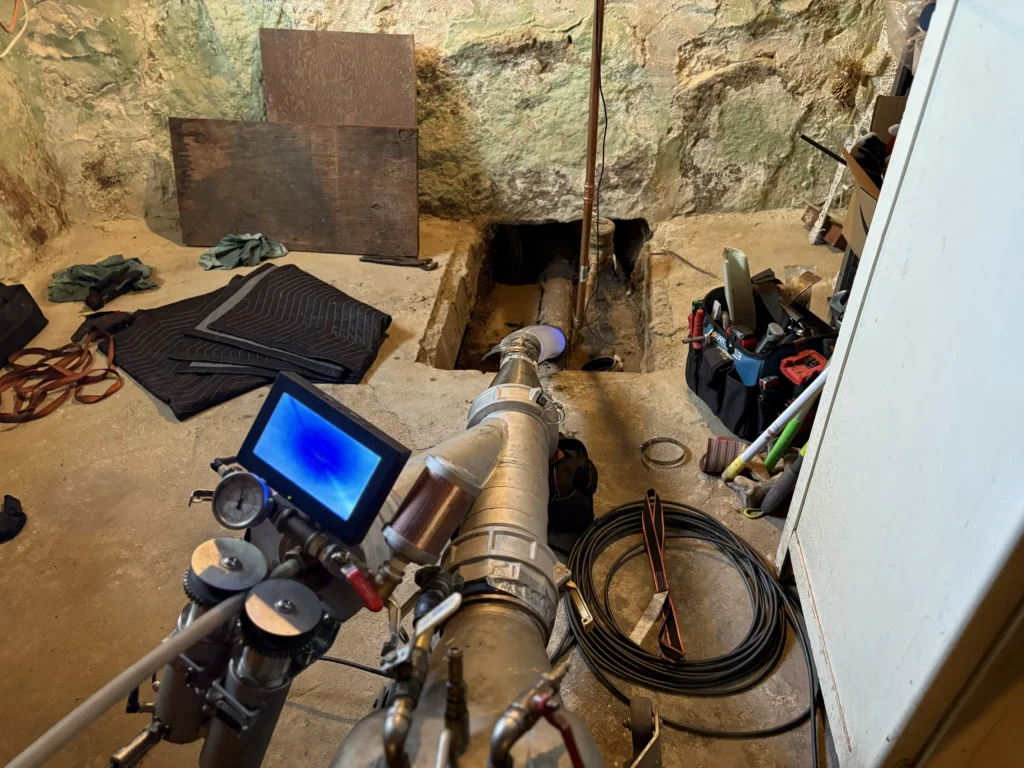
Once the inspection identifies the problem and its root cause, the repair recommendation follows directly from what the camera found. There is no universal fix; the right solution depends entirely on the type of damage, how far it has spread, and whether the pipe can support a trenchless method. Here is how TID Trenchless approaches each scenario:
| Sewer Repair Method | How Does It Work? | Best Used For… |
| Sewer Camera Inspection Only | A non-invasive camera inspection that shows exactly what is inside your pipes without any digging | Identifying the problem and its exact location before any work begins |
| Hydro Jetting | Uses high-pressure water to clear blockages with no excavation required | Root mass, grease, and debris buildup when the pipe structure is sound |
| Sewer Pipe Lining (CIPP) | Installs a new liner inside the existing pipe with no digging needed | Cracked or corroded pipes that still have structural integrity |
| Pipe Bursting | Breaks the old pipe outward while pulling a new one through | Pipes too deteriorated to line but where excavation can still be minimized |
| Drain Cleaning | Clears fixture-level blockages using professional equipment | A single slow or clogged drain with no structural damage to the main line |
| Epoxy Pipe Coating | A protective epoxy lining applied to the interior of the pipe | Minor corrosion or surface deterioration in pipes that are otherwise structurally sound |
| French Drain | Installs a gravel-filled trench with a perforated pipe to redirect water | Yard drainage problems, standing water, or moisture unrelated to the sewer line |
| Traditional Excavation | Requires digging up the yard to access and replace the pipe | Last resort for fully collapsed pipes where trenchless methods are not feasible |
The right repair is not always the biggest one. A pipe with an isolated crack does not need to be replaced. A line blocked by roots that has not yet lost its structural integrity may only need cleaning. What the camera finds is what decides the next step, not a contractor’s assumption from the surface. Skipping the inspection does not simplify the process, it just removes the one step that makes sure the repair is actually the right one.
At TID Trenchless, every repair recommendation comes from what the camera actually shows. No guesswork, no pushing a repair you do not need. That is the standard every homeowner in Southeastern Massachusetts should expect before any work begins.
When You Need a Sewer Inspection Before Repair
Schedule a sewer camera inspection if you are noticing recurring drain clogs that return within weeks of being cleared, slow drains across multiple fixtures at the same time, foul odors coming from drains or from a specific area of your yard, sewage backup in lower-level fixtures, or unexplained soggy patches of grass along the path from your house to the street. Any one of these symptoms points to something happening inside the line that a surface assessment cannot explain. A sewer inspection before repair is the only way to confirm what that something actually is and whether it requires immediate attention or monitoring.
Beyond active symptoms, an inspection also makes sense when buying or selling a home with older infrastructure, when a property has a history of repeated sewer issues, or when you want a clear picture of pipe condition before committing to a repair quote.
Aging sewer infrastructure is one of the leading contributors to sanitary sewer overflows across the country. For older homes in Southeastern Massachusetts, a proactive inspection is one of the most practical steps a homeowner can take.
Why Older Homes in Southeastern Massachusetts Need a Sewer Inspection Before Repair
Some sewer problems are visible. Most are not. For older homes across Southeastern Massachusetts, the damage has often been building gradually underground long before any symptom shows up inside the house.
Aging Pipe Materials Have Already Exceeded Their Lifespan
A large share of homes across Taunton, Brockton, Bridgewater, Raynham, Plymouth, and New Bedford were built before 1980. Cast iron and clay were the standard pipe materials at the time, and both have a limited lifespan that many of these systems have already exceeded.
Cast iron corrodes internally over time, developing rough interior walls that catch debris and slow flow before eventually cracking through. Clay pipe is brittle and while it holds up under stable conditions, it fractures under pressure and separates at the joints when the surrounding soil shifts. Neither material was built to last indefinitely, and most of these original systems have never been inspected or replaced.
Freeze-Thaw Cycles Accelerate the Damage
Massachusetts winters put consistent pressure on underground pipes. When saturated soil freezes around a pipe, it expands, widening existing cracks and shifting sections out of alignment at the joints. This happens gradually over multiple cold seasons, meaning a pipe showing visible deterioration in March may have had no obvious symptoms the previous October. By the time an issue surfaces inside the home, the underlying damage has typically been progressing for years.
Root Intrusion Is a Year-Round Problem
Tree and shrub roots follow moisture, and a sewer line is one of the most reliable moisture sources in any yard. Roots work their way in through joints, cracks, and any point where the pipe wall has weakened. A root mass small enough to go unnoticed in one season can partially restrict the line within a year and cause a full blockage within two or three. Root intrusion is especially common in older neighborhoods throughout Southeastern Massachusetts where mature trees and established landscaping are the norm.
Most Homeowners Have No Record of What Is Down There
When a previous owner never documented a sewer repair or replacement, there is no reliable information about the age or condition of the line. The pipe running from the house to the street stays out of sight and out of mind until something forces the issue.
A camera inspection before sewer repair changes that entirely. It shows what material the pipe is made of, what condition it is currently in, and whether any problems are already developing. For a home with an original sewer line that has never been inspected, that information is the difference between a proactive repair and an emergency one.
For homes across Southeastern Massachusetts, a sewer inspection before repair is not just about diagnosing a current problem – it is about knowing exactly what you are working with before that problem decides for you.
Sewer Camera Inspection FAQs
How much does a sewer camera inspection cost in Massachusetts?
A professional sewer camera inspection in Massachusetts typically costs between $250 and $800. The final cost depends on the pipe’s length, accessibility, and the complexity of the line. TID Trenchless provides straightforward estimates before any work begins so you know exactly what to expect.
Does a sewer camera inspection cause any damage to my pipes?
No. A sewer inspection using a camera is performed through an existing access point with no cutting, drilling, or excavation required. It is a non-invasive diagnostic process and the pipe itself is never disturbed during the inspection.
How long does a sewer camera inspection take?
Most residential sewer camera inspections take between 30 minutes and one hour. Longer or more complex lines may take slightly more time. At TID Trenchless, the findings are walked through with you on-site so you leave with a clear picture of your pipe’s condition.
Do I need a sewer camera inspection if my drains seem to be working fine?
Yes, particularly for homes built before 1980 or properties with no documented history of sewer inspection or repair. Many problems including early root intrusion and internal corrosion develop gradually without producing obvious symptoms. Scheduling a sewer camera inspection before any issues surface is significantly less expensive than responding to one after it fails.
How much does a sewer camera inspection cost in Massachusetts?
A professional sewer camera inspection in Massachusetts typically costs between $250 and $800. The final cost depends on the pipe’s length, accessibility, and the complexity of the line. TID Trenchless provides straightforward estimates before any work begins so you know exactly what to expect.
Does a sewer camera inspection cause any damage to my pipes?
No. A sewer inspection using a camera is performed through an existing access point with no cutting, drilling, or excavation required. It is a non-invasive diagnostic process and the pipe itself is never disturbed during the inspection.
How long does a sewer camera inspection take?
Most residential sewer camera inspections take between 30 minutes and one hour. Longer or more complex lines may take slightly more time. At TID Trenchless, the findings are walked through with you on-site so you leave with a clear picture of your pipe’s condition.
Do I need a sewer camera inspection if my drains seem to be working fine?
Yes, particularly for homes built before 1980 or properties with no documented history of sewer inspection or repair. Many problems including early root intrusion and internal corrosion develop gradually without producing obvious symptoms. Scheduling a sewer camera inspection before any issues surface is significantly less expensive than responding to one after it fails.
Start With the Inspection. Then Talk About Repairs.
Skipping a sewer inspection before repair does not save time or money. It removes the one step that tells you and your technician what is actually wrong, where it is, and what it will take to fix it. Without that information, any repair recommendation is built on assumption.
A sewer camera inspection gives your technician the specific findings needed to recommend the right solution the first time. For homes across Southeastern Massachusetts with aging cast iron or clay infrastructure, that step is especially important because the damage is rarely visible from the surface and rarely limited to one spot.
If you are noticing any signs of a sewer problem, contact TID Trenchless to schedule a local sewer camera inspection. The camera shows exactly what is happening inside your pipe before anyone recommends a repair, no assumptions and no unnecessary work.