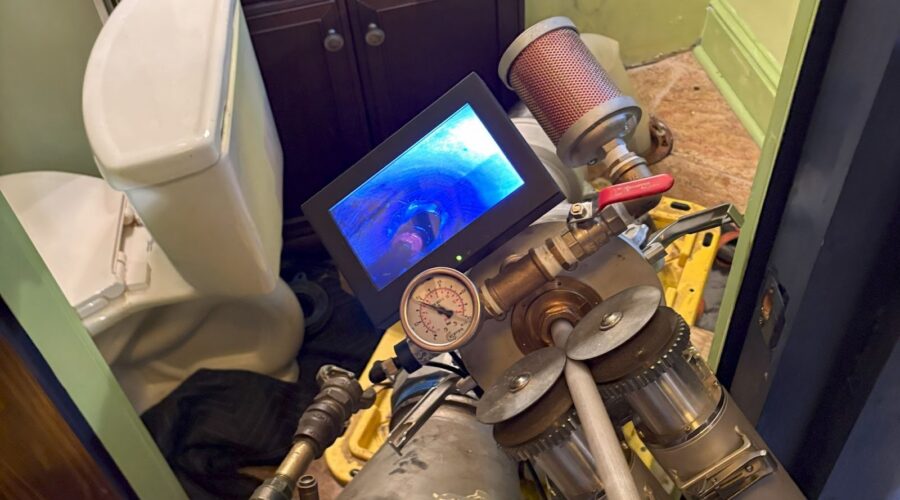

October represents the last opportunity for Taunton property owners to prepare sewer systems for harsh New England winters. With ground freezing typically beginning in November and lasting through March, this narrow window allows essential maintenance and repairs before frozen soil makes work difficult and expensive. Understanding why October timing proves critical helps prioritize these vital preparations.
Why October is Make-or-Break for Winter Prep
Taunton’s climate patterns make October uniquely suited for winter sewer preparation. Ground temperatures remain warm enough for excavation if repairs prove necessary, while air temperatures stay comfortable for extended outdoor work. The relative dry period before winter precipitation allows thorough system evaluation and maintenance. Most importantly, identifying and addressing problems now prevents emergency repairs during freezing conditions when costs multiply and damage escalates.
The consequences of missing this preparation window prove severe throughout Bristol County. Frozen ground makes conventional repairs impossible, forcing expensive temporary solutions. Emergency winter service calls cost significantly more than planned maintenance. Freeze damage to unprepared systems can cause complete failures requiring property evacuation. Insurance claims from winter sewer failures may face coverage disputes if preventive maintenance was neglected.
Understanding Winter’s Assault on Sewer Systems
Massachusetts winters attack sewer infrastructure through multiple mechanisms requiring different protective strategies. Freeze-thaw cycles create expanding cracks in pipes and joints, progressively weakening systems. Frost penetration depths reaching 3-4 feet in Taunton can affect shallowly buried laterals. Snow melt creates hydraulic surges that overwhelm systems weakened by cold. Ice formation in partially blocked pipes creates complete obstructions.
Ground movement from freezing adds another destructive element often overlooked. Soil expansion during freezing can shift pipes, breaking joints and creating separations. Spring thaw causes settlement that may leave pipes unsupported or bellied. Repeated annual cycles accumulate damage until catastrophic failures occur. Professional inspection reveals existing damage requiring attention before winter compounds problems.
Critical Inspection Points for October
Comprehensive October inspections must evaluate specific vulnerabilities that winter conditions exploit. Pipe depth verification ensures adequate freeze protection, particularly important for homes with additions or landscape changes affecting original grading. Joint integrity assessment identifies separations where freezing water could enter and expand. Flow testing confirms adequate drainage preventing standing water that freezes into blockages.
Areas requiring special attention include pipes passing through unheated spaces, exterior cleanouts exposed to temperature extremes, connections near foundation walls where cold transmits, and shallow sections under driveways or walkways. Each vulnerability requires specific protective measures best implemented before cold weather arrives. TID Trenchless provides comprehensive winter preparation inspections identifying all property-specific vulnerabilities.
Preventive Maintenance Essential for Winter
October maintenance tasks directly impact winter sewer performance. Professional drain cleaning removes accumulations that restrict flow and provide freezing nucleation points. Root removal eliminates infiltration paths where water enters and freezes. Grease extraction prevents congealing that worsens in cold temperatures. These services prove most effective when performed before temperature drops affect material properties.
Chemical treatments applied in October provide season-long protection. Root inhibitors prevent winter growth when detection becomes difficult. Enzyme treatments continue working slowly throughout winter, preventing organic buildup. Anti-freeze applications in vulnerable traps prevent complete freezing. Professional application ensures proper concentrations and environmental compliance.
Insulation and Protection Strategies
Physical protection installed in October shields vulnerable components throughout winter. Pipe insulation in crawl spaces and basements prevents freezing in marginal areas. Exterior cleanout covers provide wind protection while maintaining access. Foundation insulation reduces cold transmission to nearby pipes. These relatively simple additions provide substantial protection when properly installed.
Advanced protection for high-risk situations includes heat tape installation on exposed sections, insulated enclosures for exterior equipment, and thermal barriers around shallow pipe runs. Professional design ensures adequate protection without creating fire hazards or excessive energy consumption. Investment in proper protection proves minimal compared to freeze damage repairs.
Addressing Known Problems Before Winter
October provides the last opportunity to permanently resolve known sewer issues before winter prevents major work. Partial blockages manageable during warm weather become complete obstructions when grease congeals and ice forms. Minor root intrusions expand dramatically when freezing water enters growth channels. Small cracks become major breaks through freeze expansion.
Trenchless pipe lining offers ideal October solutions for compromised pipes. Installation remains possible in moderate temperatures while creating sealed conduits immune to infiltration and freezing. The cured-in-place process requires no excavation, preserving landscaping before winter. These permanent repairs eliminate emergency risks throughout upcoming cold seasons.
Commercial Property Winter Challenges
Businesses face amplified winter sewer risks requiring comprehensive October preparation. Grease-laden restaurant systems congeal more readily in cold weather, demanding thorough cleaning. Retail facilities with minimal winter heat risk freeze damage to marginal areas. Manufacturing processes may change seasonally, affecting waste streams. Empty tenant spaces need special attention to prevent freeze damage affecting occupied areas.
Professional property management includes detailed winter preparation protocols. System mapping identifies all vulnerable points requiring protection. Maintenance scheduling ensures completion before weather impacts. Emergency response planning prepares for potential failures. Hydrojetting services provide thorough cleaning essential for commercial winter preparation.
Documentation for Winter Emergencies
October preparations should include comprehensive documentation supporting potential winter emergency responses. Video inspections provide baseline conditions for insurance purposes. Mapping of cleanouts and access points aids emergency response during snow cover. Emergency contact lists ensure rapid professional response when needed. Shut-off valve locations must be clearly marked and accessible.
Digital documentation proves invaluable during winter emergencies. Cloud-stored videos allow remote professional consultation. GPS-tagged photos identify locations under snow. Maintenance records demonstrate preventive efforts for insurance claims. This preparation transforms winter emergencies from disasters to manageable events.
Budget Planning for Winter Protection
October financial planning prevents winter emergency expenses from destroying budgets. Preventive maintenance costs remain predictable and manageable when scheduled. Emergency winter repairs cost multiples of standard rates. Damage from frozen pipes affects multiple budget categories. Planning allows spreading costs over time rather than facing sudden major expenses.
Cost-benefit analysis strongly favors October prevention over winter reaction. Service availability remains good with competitive pricing. Work completion happens quickly without weather delays. Quality remains high without cold-weather compromises. These advantages disappear once winter conditions arrive, making October investment particularly valuable.
Creating Your Winter Preparation Timeline
Successful winter preparation requires systematic October scheduling. Early October focuses on inspections identifying needed work. Mid-October allows completion of major maintenance and repairs. Late October provides final protective installations and system testing. This timeline ensures thorough preparation before November weather changes.
Professional scheduling requires advance planning for busy October periods. Booking September ensures October service availability. Coordinating multiple services maximizes efficiency. Planning for potential follow-up work prevents delays. Establishing service relationships ensures priority response if issues arise.
October’s critical window for winter sewer preparation closes quickly for Taunton property owners. Understanding winter’s destructive potential motivates timely action. Comprehensive inspection, preventive maintenance, and protective installations prevent most winter sewer emergencies. The moderate investment in October preparation prevents major expenses and disruptions during harsh winter months. Contact TID Trenchless today to schedule your winter preparation inspection and ensure your sewer system survives another New England winter intact.