
October in Taunton presents the perfect storm of conditions making gutter cleaning essential for protecting your entire plumbing system. As leaves reach peak fall, combining with autumn rains, many homeowners don’t realize that neglected gutters directly impact sewer lines and can cause expensive damage throughout their properties. Understanding this crucial connection helps property owners prioritize this often-postponed maintenance task.
The Hidden Connection Between Gutters and Sewers
Most Taunton homes built before 1980 feature direct connections between roof drainage and sewer systems, a practice common when the city’s infrastructure was developing. Downspouts route directly into underground pipes that connect to main sewer lines, meaning everything flowing off your roof eventually enters the sanitary sewer system. Even homes with separate storm drainage may experience sewer impacts when overwhelmed gutters cause ground saturation near sewer lines.
This interconnection creates vulnerability chains where gutter problems cascade into sewer issues. Clogged gutters overflow, sending water along foundations where it infiltrates through sewer pipe penetrations. Debris-filled downspouts back up, forcing water to find alternative paths that often lead to sewer connections. Frozen gutters in late October create ice dams that redirect water into unexpected areas. Understanding these connections motivates proper gutter maintenance as sewer system protection.
October’s Perfect Storm of Gutter Challenges
Taunton’s October weather creates uniquely challenging conditions for gutter systems. Falling leaves from the city’s abundant oak, maple, and birch trees accumulate rapidly, often filling gutters within days of cleaning. Shorter days mean leaves remain wet longer, creating dense, heavy masses that resist removal. Temperature fluctuations cause repeated wet-dry cycles that compact debris into concrete-like blockages.
Rain patterns typical to October compound these challenges significantly. Fall storms deliver heavy rainfall that overwhelmed clogged gutters cannot handle. Wind drives leaves and debris horizontally into gutters, packing them tightly against downspout openings. The combination of heavy leaf load and intense rainfall creates worst-case scenarios for roof drainage systems. Properties in tree-lined neighborhoods like Whittenton and Oakland face particularly severe accumulation challenges.
How Gutter Problems Damage Sewer Lines
When gutters fail to function properly, water follows destructive paths that ultimately affect sewer systems. Foundation saturation from overflowing gutters increases hydrostatic pressure on underground pipes, potentially causing joint separation or pipe collapse. Water infiltrating through foundation walls finds sewer pipe penetrations, introducing clean water that overwhelms treatment systems. Erosion around foundations can undermine sewer line support, leading to bellying or breaking.
Downspout blockages create immediate sewer impacts in connected systems. Debris washing from roofs accumulates in underground pipes, creating blockages far from visible access points. The volume of water from even moderate rainfall can hydraulically overload residential sewer laterals designed for normal waste flow. This overload causes backups into homes, particularly affecting basement fixtures and floor drains. Professional sewer inspection often reveals roof-debris accumulations that homeowners never suspected.
Recognizing Gutter-Related Sewer Problems
Several warning signs indicate gutter problems are affecting your sewer system. Interior symptoms include basement floor drains backing up during rain, toilets gurgling when it’s raining, and washing machine drains overflowing during storms. These issues often disappear during dry weather, leading homeowners to incorrectly assume problems resolved naturally.
Exterior indicators provide additional diagnostic clues. Foundation plantings dying from oversaturation suggest chronic gutter overflow. Sinkholes or depressions near downspouts indicate underground erosion affecting buried utilities. Efflorescence on basement walls shows water infiltration that may be compromising nearby sewer lines. These symptoms warrant comprehensive evaluation of both gutter and sewer systems.
Professional Solutions for Connected Systems
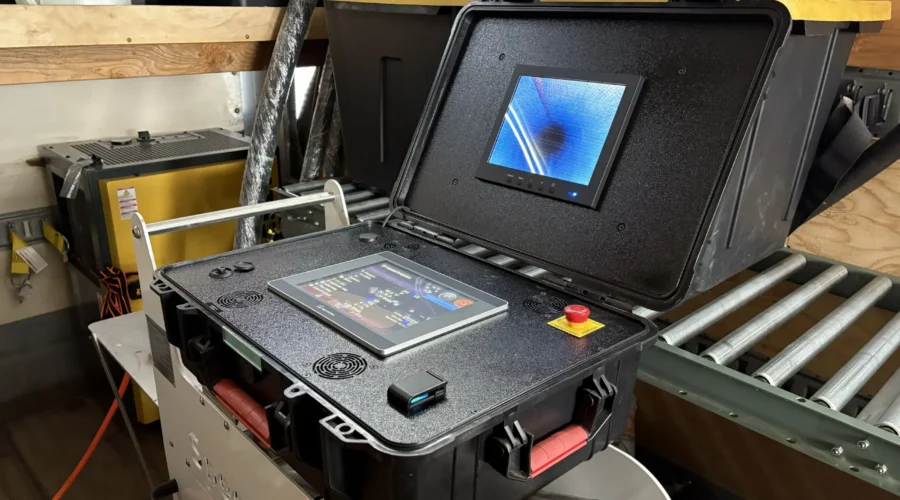
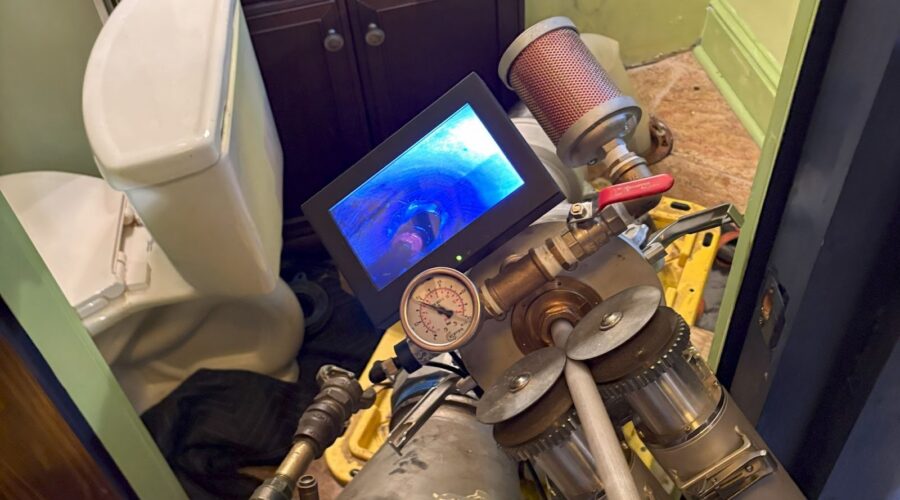
Addressing gutter-sewer connection problems requires coordinated approaches targeting both systems. Camera inspection of sewer lines reveals whether roof debris has accumulated in pipes, requiring removal. Professional gutter cleaning removes source materials before they enter drainage systems. Installation of gutter guards provides ongoing protection against accumulation.
For properties with direct downspout connections, modernization often provides the best long-term solution. Disconnecting downspouts from sewers and redirecting to appropriate drainage reduces system loads. Installing French drains manages roof water without impacting sewers. These modifications require professional design to ensure proper function without creating new problems.
The Importance of Timing
October timing for gutter maintenance proves critical for multiple reasons. Cleaning after major leaf fall but before winter ensures maximum protection duration. Addressing problems before ground freezing allows necessary repairs. Preventing debris accumulation before heavy November rains reduces overflow risks. This strategic timing maximizes maintenance effectiveness while minimizing emergency risks.
Professional scheduling considerations affect service availability and effectiveness. Early October booking ensures service before peak demand. Coordinating gutter and sewer maintenance maximizes efficiency. Planning for potential follow-up needs allows timely problem resolution. TID Trenchless coordinates comprehensive maintenance addressing both visible and hidden drainage needs.
Cost-Benefit Analysis of Prevention
Comparing gutter maintenance costs to potential sewer damage demonstrates clear financial benefits. Professional gutter cleaning typically costs a fraction of emergency sewer repairs. Water damage from backups can destroy finished basements and personal property. Foundation repairs from chronic water exposure involve major expenses. Insurance claims from preventable damage may increase premiums or risk cancellation.
Hidden costs multiply financial impacts beyond direct repairs. Temporary relocation during major sewer work disrupts families. Lost wages from managing emergency repairs affect household budgets. Property value impacts from water damage history affect resale potential. Health concerns from sewage exposure create medical costs. These accumulated expenses far exceed regular maintenance investments.
Creating Integrated Maintenance Plans
Successful property management requires viewing gutters and sewers as integrated systems requiring coordinated care. Annual maintenance calendars should schedule gutter cleaning before peak stress periods. Sewer inspections should follow gutter maintenance to verify system protection. Budget planning must accommodate both visible and hidden infrastructure needs.
Documentation systems tracking both gutter and sewer maintenance identify patterns requiring attention. Photos of gutter conditions guide cleaning frequency decisions. Sewer inspection videos establish baseline conditions for comparison. Maintenance logs demonstrate responsible property management for insurance purposes. These records prove invaluable for property transfers and warranty claims.
Neighborhood Coordination Benefits
Gutter maintenance benefits multiply when neighbors coordinate efforts. Shared tree canopies affect multiple properties simultaneously. Coordinated cleaning schedules may yield group discounts. Information sharing about effective contractors benefits everyone. Community awareness reduces area-wide drainage problems affecting shared infrastructure.
Municipal programs supporting private maintenance efforts enhance community resilience. Street sweeping programs removing leaves reduce storm drain clogs. Public education about gutter-sewer connections motivates maintenance. Tree trimming programs reduce source materials. These coordinated efforts protect both private and public infrastructure investments.
Long-Term Infrastructure Protection
Properties experiencing repeated gutter-related sewer problems benefit from permanent infrastructure improvements. Trenchless pipe lining creates sealed pipes resistant to infiltration from gutter overflow. Larger capacity drains handle occasional overload conditions better. Backflow preventers protect homes from municipal system surcharges during storms.
Gutter system upgrades provide source control preventing downstream problems. Larger gutters handle heavy rain volumes better. Leaf-resistant designs reduce maintenance frequency. Heat cables prevent ice dam formation. These improvements work synergistically with sewer protections for comprehensive property protection.
October gutter cleaning represents far more than cosmetic maintenance in Taunton properties. The direct connections between roof drainage and sewer systems make gutter maintenance critical for preventing expensive sewer failures. Understanding these relationships, recognizing warning signs, and implementing coordinated maintenance protects entire properties from cascade failures. For comprehensive evaluation of your property’s gutter-sewer connections and professional maintenance solutions, contact TID Trenchless to develop integrated protection strategies.