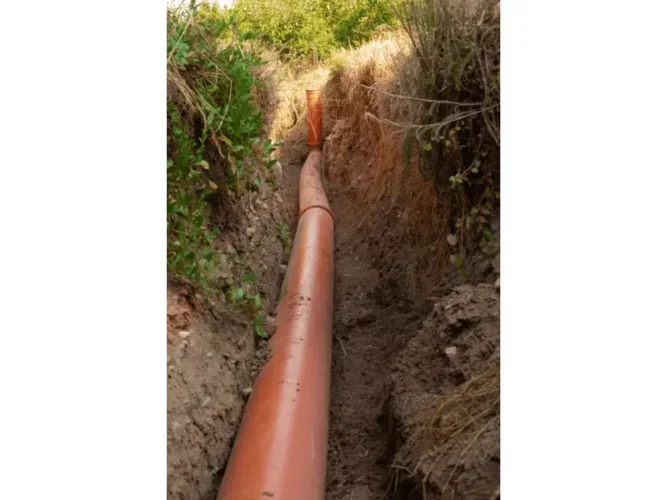

The September equinox marks more than just the official start of fall in Taunton – it signals the beginning of extreme temperature fluctuations that pose serious threats to aging sewer infrastructure. As days shorten and weather patterns shift, the dramatic swings between warm afternoons and cool nights create repeated stress cycles that can crack pipes, loosen joints, and trigger failures in systems already weakened by years of service.
Understanding Thermal Expansion and Contraction
Every material expands when heated and contracts when cooled, but different materials respond at different rates. This fundamental physics principle creates serious problems in sewer systems combining multiple materials. Cast iron pipes common in older Taunton neighborhoods expand significantly more than surrounding soil. Clay pipes become brittle with temperature cycling. Even modern PVC experiences measurable movement that stresses connection points.
September’s temperature patterns amplify these material responses. Afternoon temperatures reaching into the 70s or 80s warm surface soils and shallow pipes. Overnight drops into the 40s or 50s create rapid cooling. This 30-40 degree daily swing repeats continuously throughout the month, subjecting pipes to thousands of expansion-contraction cycles. Each cycle incrementally weakens materials and connections until failure points develop.
Soil Dynamics During Seasonal Transition
Taunton’s diverse soil conditions respond differently to temperature changes, creating uneven stresses on buried pipes. Clay soils expand when absorbing moisture from cool night air, then contract during warm afternoon drying. Sandy soils provide little temperature buffering, transmitting surface changes directly to pipes. Mixed soil areas create differential movement that can twist or bend rigid pipes beyond design limits.
The September equinox period often combines temperature swings with changing moisture patterns. Late summer drought gives way to increased rainfall, altering soil density and support characteristics. This combination of thermal and moisture changes creates perfect conditions for pipe movement and failure. Properties built on filled land or near former wetlands face particular challenges as these soils exhibit extreme seasonal behavior.
Joint Vulnerability Assessment
Pipe joints represent the weakest points in any sewer system, and temperature cycling exploits these vulnerabilities aggressively. Traditional bell-and-spigot clay pipes rely on oakum and mortar joints that crack under repeated movement. Rubber gasket joints in concrete pipes compress and relax with temperature changes, eventually losing sealing ability. Even modern glued PVC joints face stress when pipes expand and contract at different rates than fittings.
Professional sewer camera inspection during September reveals joint conditions that visual examination cannot detect. Hairline cracks invisible during stable temperatures open under thermal stress. Minor root intrusions at joints accelerate as gaps widen. Previous repairs using different materials often create new failure points as dissimilar materials respond differently to temperature changes.
Metal Pipe Corrosion Acceleration
Temperature fluctuations dramatically accelerate corrosion in metal sewer pipes through multiple mechanisms. Condensation forms on cool pipe surfaces when warm, moist air contacts them, creating persistent wetness that promotes rust. Expansion and contraction cycles crack protective coatings, exposing base metals to corrosive sewer gases. Electrochemical corrosion intensifies as temperature changes alter chemical reaction rates.
Cast iron pipes installed throughout older Taunton neighborhoods face particular risk during equinox periods. These pipes may have served reliably for decades but approach failure thresholds as corrosion accumulates. Temperature cycling can trigger sudden failures in pipes that appeared stable during summer inspections. Trenchless pipe lining provides corrosion protection while accommodating temperature movement through flexible design.
Warning Signs of Thermal Damage
Temperature-related pipe damage often provides warning before complete failure if property owners recognize the signs. New or worsening odors during temperature swings indicate gases escaping through thermal cracks. Gurgling sounds that vary with outdoor temperatures suggest air entering through temperature-opened gaps. Drainage rates that change between morning and afternoon point to pipe geometry changes from thermal movement.
Visual indicators around properties also warn of underground thermal damage. Sinkholes or depressions appearing along sewer lines indicate soil loss through opened joints. Foundation cracks developing or widening during September suggest underground utility movement. Unusual insect activity near sewer lines often indicates gases escaping through thermal breaches. These warnings warrant immediate professional evaluation before complete failures occur.
Protective Insulation Strategies
Reducing temperature fluctuation exposure protects vulnerable pipes from thermal stress. Increased soil cover buffers surface temperature changes, though excavation costs often prohibit this approach. Foam insulation sleeves on exposed pipes in basements and crawl spaces moderate temperature swings. Strategic landscaping using deep-rooted plants provides natural insulation while avoiding root intrusion problems.
Modern trenchless solutions offer superior thermal protection without excavation disruption. Cured-in-place pipe lining creates continuous, flexible pipes that accommodate temperature movement without joint stress. The resin materials used provide inherent insulation properties, reducing thermal transfer. This comprehensive solution addresses multiple vulnerabilities while extending system life by decades.
Commercial Property Considerations
Commercial properties face amplified thermal challenges due to larger pipe diameters and longer runs. Restaurant grease lines congeal and liquefy with temperature changes, creating flow variations. Manufacturing facilities with process discharge face regulatory compliance issues if thermal damage allows infiltration diluting waste streams. Retail properties with extensive parking create heat islands that exacerbate temperature swings.
Professional thermal assessment helps commercial properties identify specific vulnerabilities. Infrared imaging reveals temperature patterns affecting underground utilities. Flow monitoring during temperature swings documents capacity variations. Preventive maintenance programs address thermal vulnerabilities before they impact operations or regulatory compliance.
Climate Adaptation Planning
Historical weather data indicates increasing temperature variability in New England, making thermal stress management essential for infrastructure planning. Properties with original sewer systems face inevitable thermal failures without intervention. Waiting for failures proves more expensive than proactive upgrades, especially considering business disruption and property damage costs.
Strategic planning identifies priority upgrades based on pipe age, material, and thermal exposure. Phased replacement spreads costs while addressing highest-risk sections first. Coordination with municipal infrastructure projects may provide cost-sharing opportunities. Documentation of thermal-resistant upgrades supports property valuations and insurance negotiations.
Emergency Response Preparation
Despite preventive efforts, thermal failures during September require rapid response to minimize damage. Knowing system layouts helps locate problems quickly. Understanding shut-off procedures prevents extensive water damage. Maintaining relationships with qualified contractors ensures priority service during peak demand periods. TID Trenchless provides emergency response specifically for thermal-related failures.
Emergency supplies should include temporary patching materials for minor cracks, water removal equipment for basement flooding, alternative sanitation provisions, and documentation for insurance claims. Preparation proves especially important during September when contractor availability decreases due to seasonal demand. Properties with previous thermal failures should maintain heightened readiness during equinox periods.
Investment Timing Optimization
September thermal stress often triggers decisions about major sewer system investments. Timing these investments strategically maximizes benefits while minimizing costs. Spring installation allows new systems to settle before thermal stress seasons. Winter work may offer contractor availability advantages. Multi-year planning spreads costs while systematically addressing vulnerabilities.
Modern materials and installation techniques specifically address thermal movement concerns. Flexible coupling systems accommodate expansion without leaking. Engineered bedding materials provide consistent support through temperature cycles. These advances transform September from a season of infrastructure anxiety to merely another marker of seasonal change.
The September equinox brings beautiful fall weather to Taunton but challenges aging sewer infrastructure through dramatic temperature swings. Understanding thermal effects on different pipe materials, recognizing warning signs of temperature damage, and implementing appropriate protective measures prevents costly failures. Modern trenchless technologies offer permanent solutions to thermal stress, protecting property investments through future seasonal transitions. For comprehensive thermal vulnerability assessment and upgrade planning, contact TID Trenchless.