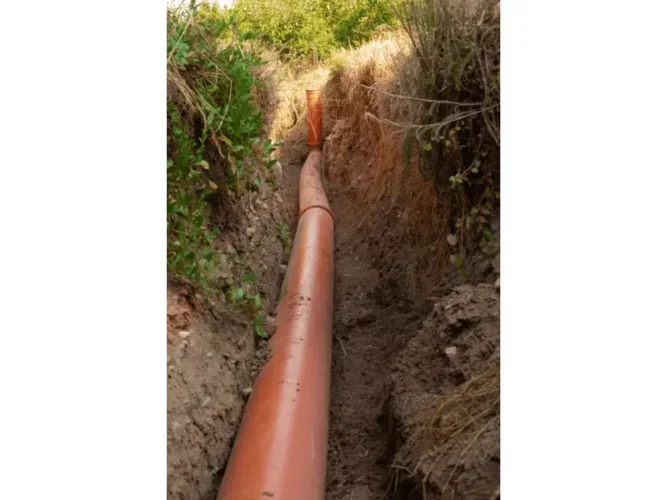

September marks peak hurricane season for Massachusetts, when tropical systems tracking up the Atlantic coast threaten Taunton and surrounding Bristol County communities. While residents focus on wind damage and power outages, underground sewer systems face equally serious threats from storm surge, flooding, and extreme rainfall. Proper preparation protects these critical utilities from damage that can persist long after storms pass.
Understanding Hurricane Threats to Sewer Systems
Hurricanes assault sewer infrastructure through multiple mechanisms beyond simple flooding. Storm surge pushes saltwater into freshwater systems, corroding pipes and equipment designed for different chemical exposures. Extreme rainfall overwhelms system capacity, creating pressure that breaks joints and collapses older pipes. Debris-laden floodwater introduces sand, silt, and organic matter that creates persistent blockages.
The unique geography of Taunton amplifies certain hurricane impacts. Properties near the Taunton River face river flooding combined with rainfall accumulation. Low-lying areas throughout the city experience groundwater rise that infiltrates sewer systems from below. Combined sewer systems serving older neighborhoods face particular stress when stormwater volumes exceed treatment capacity. Understanding these local vulnerabilities guides effective preparation strategies.
Pre-Storm System Assessment
Hurricane preparation begins with honest assessment of existing system conditions. Older clay or cast iron pipes common in established Taunton neighborhoods may already have cracks or joint separations that flooding will exploit. Tree root intrusions create openings for debris infiltration. Previous repairs using different materials often create weak points under extreme stress. Professional sewer camera inspection documents current conditions, identifying vulnerabilities requiring attention before storms arrive.
System capacity evaluation proves equally important for storm preparation. Partial blockages manageable during normal flow become complete obstructions under hurricane volumes. Grease buildup, root masses, or accumulated debris reduce effective pipe diameter. Professional cleaning maximizes available capacity, providing crucial buffer space for storm flows. Properties with marginal capacity benefit from high-pressure hydrojetting that restores full pipe diameter.
Backflow Prevention Installation
The most critical hurricane protection involves preventing sewage from flowing backward into properties when municipal systems overload. Backwater valves automatically close when flow reverses, protecting basements and lower floors from devastating contamination. These devices require professional installation to ensure proper operation without restricting normal drainage. Location selection, sizing, and accessibility for maintenance all influence effectiveness.
Temporary backflow prevention offers simpler solutions for imminent storms. Inflatable pipe plugs can seal specific drains when flooding threatens. Standing water barriers placed in toilet bowls prevent backup through these fixtures. However, temporary measures require someone present to install them and cannot protect against all backup scenarios. Properties in flood-prone areas benefit from permanent backwater valve installation completed well before hurricane season.
Structural Reinforcement Strategies
Hurricanes test pipe structural integrity through soil movement, hydraulic pressure, and debris impact. Reinforcing vulnerable sections before storms prevents catastrophic failures during events. Trenchless pipe lining creates structurally independent pipes within existing systems, capable of withstanding external pressures. This solution proves particularly valuable for older systems where replacement would require extensive excavation.
Joint sealing addresses another common failure point during hurricanes. Modern flexible sealing compounds accommodate pipe movement while maintaining watertight connections. Chemical grouting stabilizes surrounding soil, preventing erosion that undermines pipe support. These reinforcement strategies transform marginal systems into storm-resistant infrastructure capable of surviving extreme events.
Debris Management Planning
Post-hurricane cleanup often causes more sewer damage than the storms themselves. Residents anxious to restore normalcy may flush inappropriate materials or overload systems with cleanup water. Sand and silt entering through compromised manholes or cleanouts creates persistent blockages requiring professional removal. Saltwater intrusion accelerates corrosion in metal components, leading to delayed failures weeks after storms.
Effective debris management begins with prevention. Sealing cleanout caps and manhole covers before storms reduces infiltration opportunities. Installing debris screens at strategic points catches material before it enters main systems. Planning alternative disposal methods for cleanup water prevents system overload during recovery periods. These preparations significantly reduce post-storm rehabilitation needs.
Emergency Response Coordination
Hurricane preparation must include response planning for when preventive measures prove insufficient. Establishing relationships with emergency plumbing services before storms ensures priority response when everyone needs help simultaneously. TID Trenchless maintains emergency response capabilities specifically for storm-related sewer failures, but demand peaks immediately after major events.
Communication plans prove essential when normal channels fail. Know how to contact emergency services without phone or internet access. Identify shut-off locations for water and sewer connections. Prepare basic supplies for temporary sanitation needs if systems fail completely. Document important information including insurance policies, contractor contacts, and system maps in waterproof storage.
Insurance Documentation Requirements
Proper documentation before hurricanes dramatically improves insurance claim outcomes. Video inspection records establish pre-storm conditions, preventing disputes about existing damage. Maintenance records demonstrate responsible ownership deserving full coverage. Photographs of protective measures taken show proactive loss prevention efforts insurers reward.
Create comprehensive documentation packages including professional inspection reports, maintenance service records, upgrade and repair receipts, photographs of system components, and maps showing pipe locations and depths. Store copies in waterproof containers and cloud storage accessible after storms. This preparation streamlines claim processing when adjusters face overwhelming demand.
Regional Coordination Benefits
Hurricane impacts affect entire communities, making coordinated preparation more effective than individual efforts. Neighborhood associations can arrange group rates for pre-storm cleaning services. Adjacent properties benefit from simultaneous backflow valve installation. Sharing emergency response plans ensures mutual support during recovery periods. Community coordination multiplies individual preparation effectiveness.
Municipal coordination offers additional benefits. Understanding city emergency response plans helps property owners prepare appropriately. Knowing when systems might be intentionally shut down prevents unnecessary concern. Participating in regional preparation meetings provides access to resources and expertise individual property owners might miss. Taunton’s emergency management office offers valuable guidance for infrastructure protection.
Long-Term Resilience Building
Hurricane preparation should drive long-term infrastructure improvements beyond immediate storm response. Each season reveals system vulnerabilities requiring permanent solutions. Properties suffering repeated storm damage benefit from comprehensive upgrades rather than continuous repairs. Modern materials and installation techniques create systems capable of withstanding future storms with minimal damage.
Investment timing affects both cost and effectiveness. Off-season upgrades cost less than emergency repairs and allow careful contractor selection. Spring installation allows systems to settle before hurricane season. Documentation of resilience improvements may qualify for insurance discounts or municipal incentive programs. These investments protect property values while reducing future storm anxiety.
Post-Storm Recovery Best Practices
Successful recovery requires patience and proper procedures to prevent additional damage. Initial assessment should identify immediate hazards before attempting repairs. Professional cleaning removes storm debris that household methods cannot address. Systematic disinfection eliminates health hazards from contamination. Proper drying prevents mold growth in affected areas.
Avoid common recovery mistakes that compound storm damage. Never use excessive water pressure attempting to clear blockages that might indicate structural damage. Don’t assume systems are functional without professional verification. Resist quick fixes that might complicate proper repairs. Patient, professional recovery ensures long-term system reliability after storm impacts.
Hurricane season poses serious threats to Taunton’s sewer infrastructure, but proper preparation significantly reduces damage risks. Understanding specific vulnerabilities, implementing protective measures, and coordinating response plans creates resilience against extreme weather events. Professional partnerships ensure access to expertise and emergency services when storms threaten. For comprehensive hurricane preparation assessment and protective upgrades, contact TID Trenchless before the next storm approaches our coast.